
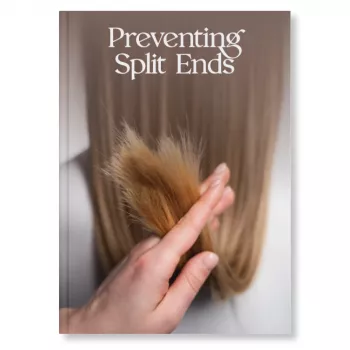
The best way to prevent split ends is a simple routine that combines regular trims, gentle handling, and protection from heat and dryness. Split ends happen when the hair’s outer layer wears down, usually from friction, hot tools, chemical services, sun exposure, and rough detangling. Once a strand splits, it can’t be permanently “repaired,” so prevention (and timely trimming) makes the biggest difference.
Consistent trims remove weakened ends before they fray further up the strand. Most people do well with a trim every 8–12 weeks, but tighter curl patterns or heavily processed hair may benefit from more frequent dusting to keep ends fresh without sacrificing length.
Detangle gently, starting at the ends and working upward, especially when hair is wet and more fragile. Use a wide-tooth comb or a detangling brush and add slip with conditioner or a leave-in. At night, switch to a satin or silk pillowcase and consider loose braids or a protective style to cut down on rubbing.
Hot tools can quickly dry and crack the cuticle. Keep temperatures as low as your hair type allows, avoid repeated passes, and apply a quality heat protectant every time. Air-drying most of the way before blow-drying can also reduce exposure.
Condition regularly, deep condition as needed, and focus leave-in conditioner on mid-lengths and ends. A lightweight hair oil or serum can help seal in moisture and smooth the cuticle, making ends less likely to snag and split.
For more detailed tips and product-friendly guidance, visit the full guide here: What is the best way to prevent split ends in your hair?
Split ends can be temporarily smoothed with conditioners, serums, or bond-building treatments, but the split itself won’t truly fuse back together. Trimming is the only reliable way to remove the damaged portion and prevent further splitting.











Leave a comment