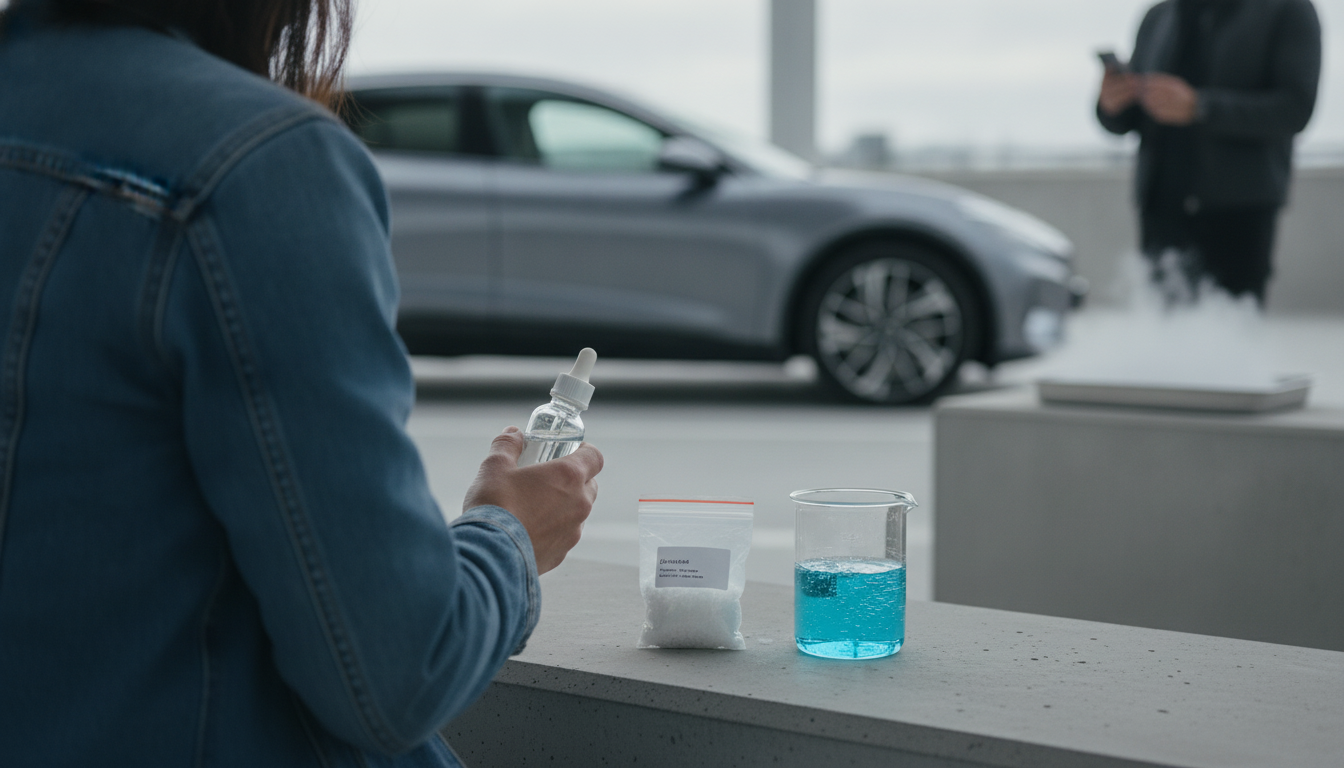
Physical and chemical changes both describe how matter behaves, but they’re not the same. A physical change alters form, state, or appearance without creating a new substance. A chemical change produces new substances because the original material’s chemical makeup changes. Below are 10 clear, everyday examples—five physical and five chemical—to help you tell them apart quickly.
1) Melting ice: Solid water becomes liquid water, but it’s still H2O.
2) Boiling water: Liquid water turns into water vapor; the substance stays the same.
3) Freezing juice into popsicles: The liquid becomes solid; no new material is created.
4) Cutting paper: The paper changes size and shape, not its chemical identity.
5) Dissolving sugar in coffee: Sugar disperses through the liquid, but it remains sugar (it can be recovered by evaporating the water).
6) Rusting iron: Iron reacts with oxygen and moisture to form iron oxide (rust), a different substance.
7) Burning a candle wick: Combustion creates new products like carbon dioxide, water vapor, and ash.
8) Baking a cake: Heat drives reactions that create new flavors, textures, and structures that can’t be “unbaked.”
9) Souring milk: Bacteria convert lactose into lactic acid, changing the milk’s chemistry and taste.
10) Tarnishing silver: Silver reacts with sulfur-containing compounds in air to form silver sulfide, darkening the surface.
If you’re comparing “physical vs. chemical” in skincare, the same logic helps: physical exfoliants rely on physical action (texture and friction), while chemical exfoliants use ingredients that react at the surface level to loosen dead skin. For a practical guide to choosing between them, visit chemical vs. physical exfoliants: which to use when.
For 10 Physical vs Chemical Changes: Simple Everyday Examples, the best answer depends on fit, material, care instructions, and how the product will be used day to day.
Physical exfoliation uses small particles or tools to manually buff away dead skin. Chemical exfoliation uses acids or enzymes to help dissolve the bonds holding dead cells on the surface.













Leave a comment