HomeBlogBlogBest Nail Shapes for Your Fingers: Oval, Almond & More

Best Nail Shapes for Your Fingers: Oval, Almond & More

Best Nail Shapes for Your Fingers: Oval, Almond & More

Nail Shapes That Flatter: A Practical Guide to Balanced, Elegant Hands

The most flattering nail shape is the one that balances finger length, nail bed width, and everyday lifestyle. Small shape changes can make hands look longer, slimmer, and more polished—without changing polish color or adding nail art. Use the steps below to identify your nail bed type, match it to shapes that enhance proportion, and avoid common filing mistakes that cause peeling, breakage, or an unintentionally “stubby” look.

Start with proportions: finger length, nail bed, and cuticle line

Before you pick “square” or “almond,” take a quick look at the features that control how a shape reads on your hand.

  • Finger length: Shorter fingers often benefit from tapered tips; longer fingers can handle stronger edges without looking heavy.
  • Nail bed width: Wider nail beds usually look more refined with soft taper or rounded edges; narrow beds can carry square and squoval easily.
  • Cuticle curve: Matching the cuticle’s curve with a similar tip curve (round/oval) often looks harmonious and natural.
  • Sidewalls: Straight sidewalls favor square/squoval; slightly flared sidewalls often look cleaner with oval/almond to visually “contain” width.
  • Natural growth and strength: Thin nails do better with rounded silhouettes that reduce corner stress; stronger nails can support sharper shapes.

A quick match guide: nail bed type to the most flattering shapes

Use the chart to shortlist one or two shapes, then decide based on durability and the vibe you want (minimal, edgy, romantic, editorial). Treat this as a starting point—final tweaks come from length, structure (especially for enhancements), and how you use your hands every day.

Shape match cheat sheet

Nail bed & fingers Most flattering shapes Why it works Watch-outs
Short fingers + wider nail beds Oval, almond (short), soft squoval Creates a lengthening line and reduces visual width Avoid very wide square tips; keep sidewalls smooth and slightly tapered
Short fingers + narrow nail beds Oval, squoval, short almond Adds elegance without over-narrowing Avoid extreme stiletto—can look disproportionate at short lengths
Long fingers + narrow nail beds Square, squoval, ballerina (medium) Emphasizes clean structure and balance Too-sharp corners can snag; refine edges and seal tips
Long fingers + wider nail beds Squoval, oval, almond (medium) Softens width while keeping a strong silhouette Very wide coffin can look heavy without length
Flat nail plates (little arch) Squoval, oval Minimizes the look of flatness and chips less at corners Keep free-edge thickness even; avoid aggressive side filing
Very curved nail plates Oval, almond Follows natural curve for a seamless finish Over-squaring can cause corner lift in enhancements

Signature shapes, explained: how each one changes the look of the hand

  • Round: The most natural and low-maintenance; visually shortens less than square at very short lengths and resists snagging.
  • Oval: A classic “lengthening” shape that makes wider nail beds look slimmer and pairs well with both minimalist and detailed designs.
  • Almond: Creates an elongated, elegant line; best when there is enough free edge to taper without thinning the sidewalls.
  • Squoval: A balanced everyday option—clean like square, but softer at corners for durability and a more refined look.
  • Square: Crisp and modern; flattering on narrow nail beds and longer fingers; needs strong corners and frequent edge maintenance.
  • Coffin/Ballerina: Tapered sides with a flat tip; typically needs medium length for the silhouette to read properly; popular for statement sets.
  • Stiletto: Dramatic and elongating; best for stronger enhancements or very durable natural nails; less practical for frequent typing or hands-on work.

Choose by lifestyle: the most practical flattering option is still flattering

  • Hands-on jobs, childcare, frequent cleaning: Round or squoval reduces corner stress and breaks less often.
  • Typing-heavy days: Short oval or squoval feels smooth and minimizes accidental clicking or snagging.
  • Gym, lifting, opening packages: Skip ultra-sharp tips; maintain a shorter almond or oval for a sleek look without fragility.
  • Special occasions: Coffin, almond, or stiletto can look stunning in photos; consider a shorter “mini” version for comfort.
  • If nails peel at corners: Switch from square to squoval/oval and focus on sealing the free edge with base/top coat.

File like a pro: small technique changes that improve the final shape

Common shape mistakes that make hands look less balanced

When enhancements change the rules (gel, acrylic, press-ons)

A simple decision flow for picking your next shape

Digital guide for nail shape harmony

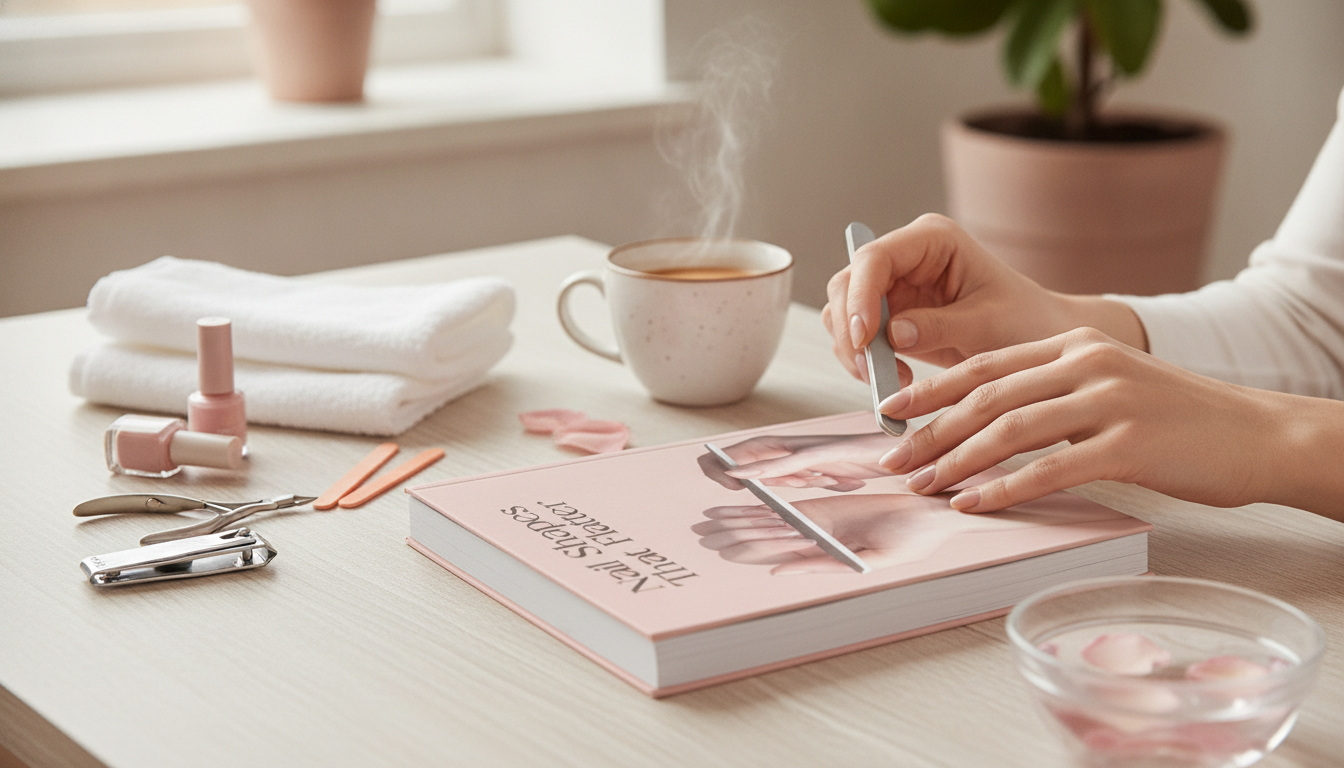
If you want a compact, visual reference you can reuse for every manicure, Nail Shapes That Flatter (digital guide) organizes proportion “rules” into quick checks and practical adjustments—helpful for DIY manicures and for nail artists who want a consistent consultation flow.

For a more complete head-to-toe polish routine, pair it with skincare fundamentals like Your “Broad Spectrum” SPF Checklist and recovery-friendly habits from How Sleep Shapes Your Skin and Slows Aging.

Nail health resources (worth bookmarking)

Healthy nails make every shape look better. For dermatologist-backed basics and signs to watch, see the American Academy of Dermatology Association nail care basics and the Cleveland Clinic overview on nail health.

FAQ

What nail shape makes fingers look longer?

Oval and almond typically create the strongest lengthening effect. Keep a gentle taper and avoid overly wide tips, especially on shorter fingers.

What is the most low-maintenance nail shape?

Round and squoval are usually the easiest to maintain because they resist snagging and reduce corner breakage. They also grow out gracefully without looking uneven.

How do I choose between oval and almond?

Oval is softer and more natural at shorter lengths, while almond is more elongating and dramatic. Choose almond only when you have enough free edge to taper without thinning the sides.

Was this article helpful?

Yes No
Leave a comment
Top

Shopping cart

×